
Understanding Your Tattoo's Healing Process: Days 2-4
1/8/20264 min read
The Initial Stages of Healing: What Happens Days 2-4
As your tattoo healing process begins, the initial days are critical for ensuring that your skin recovers effectively. Days two through four can be characterized by several physiological changes that play a significant role in the overall recovery of your tattoo.
During these early stages, your skin will typically react with inflammation. This is a natural response of your body as it works to heal the microscopic wounds created by the tattoo needle. You may notice redness and a slight swelling around the tattooed area, which indicates that increased blood flow and immune response are at work. While some discomfort is typical, excessive redness or prolonged irritation may require consultation with a professional.
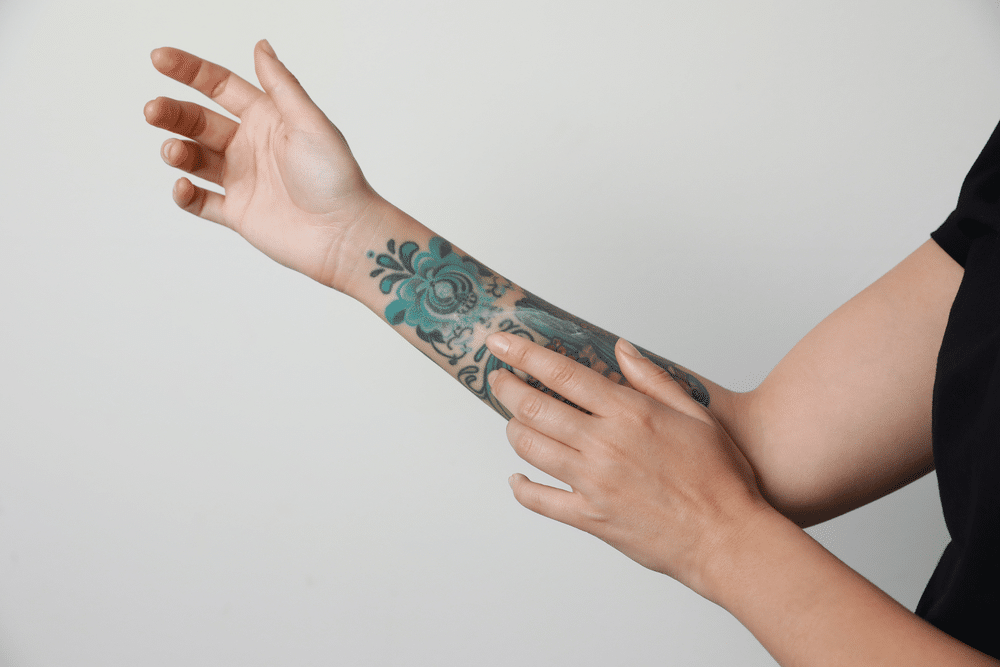
A crucial aspect of the healing process during these days is the formation of scabs. Scabbing is the body's method of protecting the tattoo while healing. This protective crust forms over the area as the skin begins to regenerate, trapping essential moisture underneath which aids in recovery. It is vital to refrain from picking or scratching at the scabs, as doing so can lead to complications such as scarring, infection, or color loss of the ink.
Proper aftercare during these days cannot be overstated. Keeping the tattoo clean and moisturized is essential, as it will prevent excessive drying and may reduce scabbing. Be sure to use a fragrance-free cleanser and a recommended ointment or lotion. Additionally, protecting your tattoo from direct sunlight or soaking in water is advised to maintain the integrity of the ink and promote healing.
In conclusion, this stage of tattoo healing is characterized by inflammatory responses, scabbing formation, and necessary care practices. Understanding these processes can assist in achieving optimal results for your new body art, ensuring it heals beautifully and remains vibrant for years to come.
Signs of Healing: How to Identify Normal vs. Complications
During the healing process of a tattoo, it is crucial to discern between the normal symptoms of healing and the signs that might indicate a complication. The first few days post-tattooing can present various visual and tactile signs that you should monitor to ensure proper healing. Typically, normal healing involves some degree of redness, swelling, and tenderness around the tattooed area. These symptoms usually peak within the first few days and begin to subside as the body’s healing mechanisms take effect.
In particular, mild redness around the tattoo is a common response as the body sends blood to the area, promoting healing. Likewise, slight swelling may occur due to the trauma inflicted on the skin during the tattooing process. These symptoms often resolve within a few days as the skin begins to heal. To assess healing accurately, it is advisable to gently touch the area; a warm sensation is usually normal, but if the tattoo feels excessively hot to the touch, this may be cause for concern.
On the other hand, certain signs may indicate complications requiring immediate attention. If you notice prolonged or increasing redness, particularly if it spreads beyond the tattoo's borders, this could suggest an infection. Additionally, persistent swelling that does not subside or worsens beyond three days, accompanied by fever or extreme discomfort, should prompt a consultation with a tattoo artist or healthcare professional. Allergic reactions can also complicate the healing process and may manifest as an itchy rash or hives surrounding the tattoo. Should these complications arise, seeking expert advice is essential to facilitate proper recovery and protect the integrity of the tattoo.
Maintaining Tattoo Health: Best Practices for Aftercare
The healing process of a tattoo is vital in ensuring its longevity and appearance. During the crucial first week after getting a tattoo, proper aftercare is paramount. This phase requires diligent attention to cleanliness and moisture retention to promote optimal healing. One of the first steps in maintaining tattoo health is thoroughly cleaning the area. It is recommended to gently wash the tattoo with lukewarm water and a mild, fragrance-free soap. This cleaning should occur two to three times daily to prevent any bacterial build-up.
After cleaning, pat the area dry with a clean, soft towel. Avoid rubbing, as this can irritate the fresh ink. Once dried, applying a thin layer of a recommended moisturizer or tattoo aftercare ointment is crucial. Products containing natural ingredients, like shea butter or coconut oil, are preferable. These agents hydrate the skin without causing irritation. It is important to note that over-applying ointment can suffocate the skin and impede the natural healing process.
Apart from cleaning and moisturizing, it is equally essential to avoid common mistakes that could hinder the healing process. For instance, scratching or picking at scabs is harmful and can lead to scarring or infection. Additionally, exposure to direct sunlight can fade ink and cause severe discomfort. Therefore, covering the tattoo with loose clothing or applying a broad-spectrum sunscreen after the initial healing period is advisable.
Lastly, refrain from soaking the tattoo in water, such as in baths, pools, or hot tubs, until it has fully healed. Adhering to these basic aftercare practices will significantly enhance the tattoo healing process and ensure that the artwork remains vibrant and intact for years to come.
Preparing for the Next Stages: Expectations for Weeks Ahead
As you transition beyond the initial days of your tattoo healing process, it is essential to understand the upcoming stages and what to expect in the weeks ahead. Days two to four mark a crucial part of your tattoo's regeneration, as the body begins to initiate the healing response and the initial bandaging is typically removed. Many individuals may experience some mild discomfort, which is perfectly normal during this phase.
As healing progresses, it is common for the tattooed area to undergo some peeling. This process usually starts around the second week and can last a few days. During this period, you may notice that flakes of skin begin to lift, which is a sign that the outer layer of the epidermis is shedding to make way for newer, regenerated skin. It is crucial not to pick at or forcibly remove these flakes, as doing so can lead to scarring or uneven fading of your tattoo.
Additionally, the color of your new tattoo may appear slightly muted or even dull during the healing process. This change is typically temporary, as the ink settles into the deeper layers of the skin and the natural healing progresses. After a few weeks, you will likely see your tattoo brightening and becoming more vibrant. To ensure optimal healing and preservation of color, keeping the area moisturized with a fragrance-free lotion or ointment is recommended.
Understanding this timeline can help manage your expectations throughout the tattoo healing process. Proper care and patience are paramount in achieving the best results. Always consult your tattoo artist for personalized aftercare instructions to promote a healthy healing process as your tattoo transforms during the upcoming weeks.